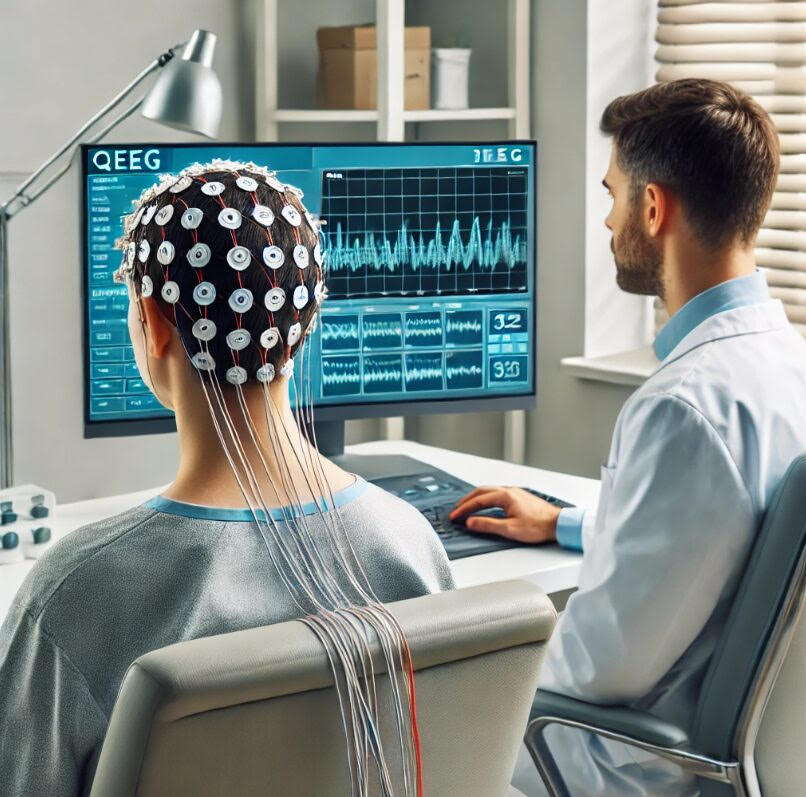
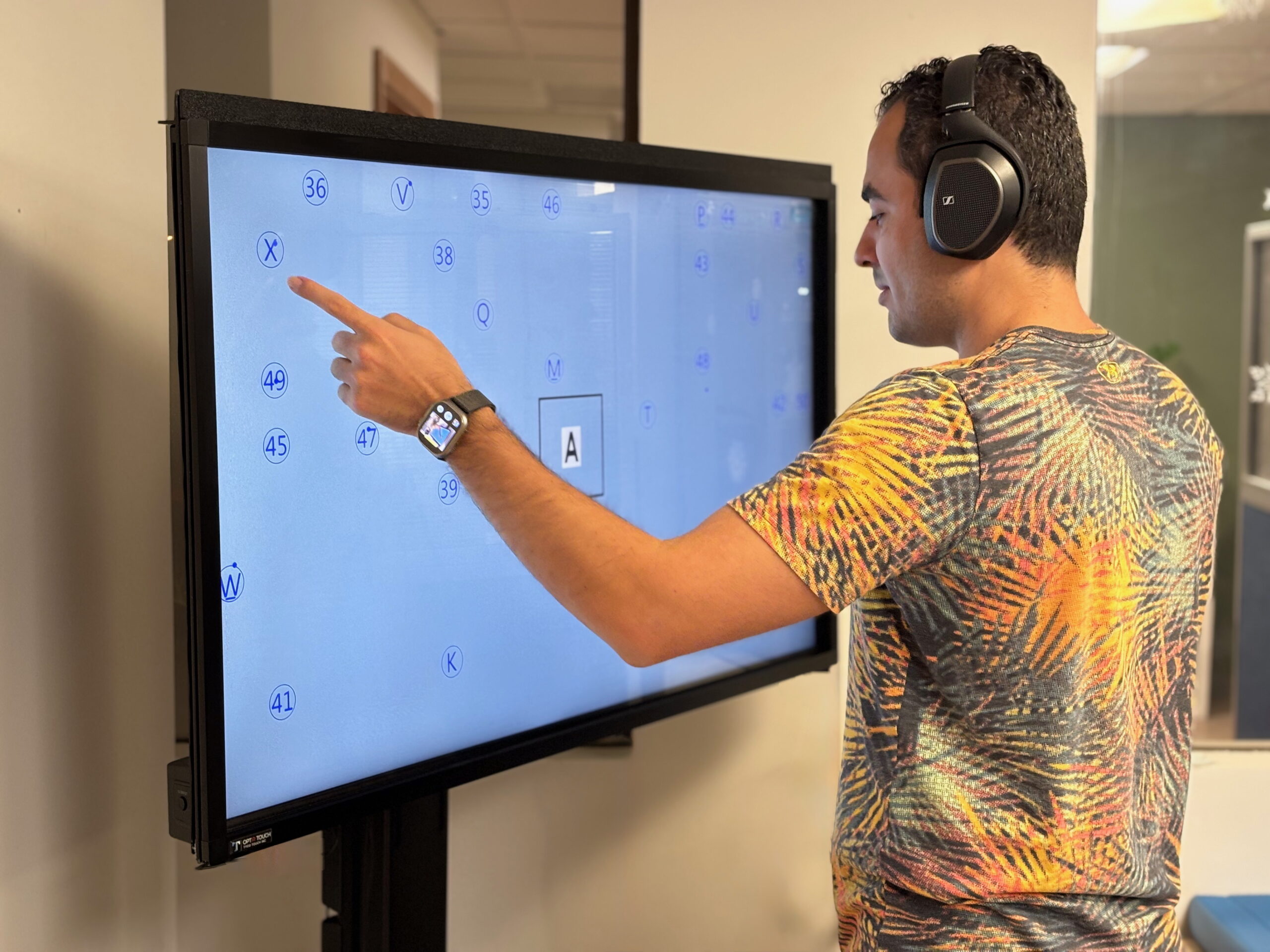
Commonly referred to as Brain Mapping, qEEG is an advanced, non-invasive diagnostic protocol that records and analyzes electrical activity in the brain to detect specific patterns of neurological dysfunction often associated with concussions or mild traumatic brain injuries.
qEEG goes significantly deeper than standard traditional EEGs by utilizing sophisticated statistical computations to compare your raw brainwave data against comprehensive, age-matched normative databases. This metrics process generates detailed, color-coded topological brain maps highlighting explicit abnormalities—such as excessive theta/delta slowing, reduced alpha power, or disrupted structural connectivity—that frequently persist even when standard structural scans (like CTs or MRIs) return normal results.
qEEG is commonly used in post-concussion care to:
The entire recording process takes between 30–90 minutes, utilizes a comfortable, lightweight electrode cap without any ionizing radiation, and is completely safe and painless for all age groups. While it is not intended as a standalone diagnostic tool for acute, immediate concussions, it provides key objective insights when integrated into a multimodal, comprehensive evaluation framework.
Note: Per major clinical guidelines, qEEG remains designated as investigational for routine, frontline concussion screening due to ongoing multi-center research expanding its exact diagnostic specificity and utility profiles.
Today, qEEG brain mapping is actively used across specialized concussion treatment networks, complex neurology practices, neurofeedback spaces, and multidisciplinary functional rehabilitation centers for a deeper window into overall brain health.
If you are dealing with ongoing symptoms following a head injury, discuss qEEG brain mapping with one of our providers today.
For further clinical reading, explore peer-reviewed resource databases from the American Clinical Neurophysiology Society or indexed PubMed research studies evaluating qEEG biomarkers in traumatic brain injury care.